
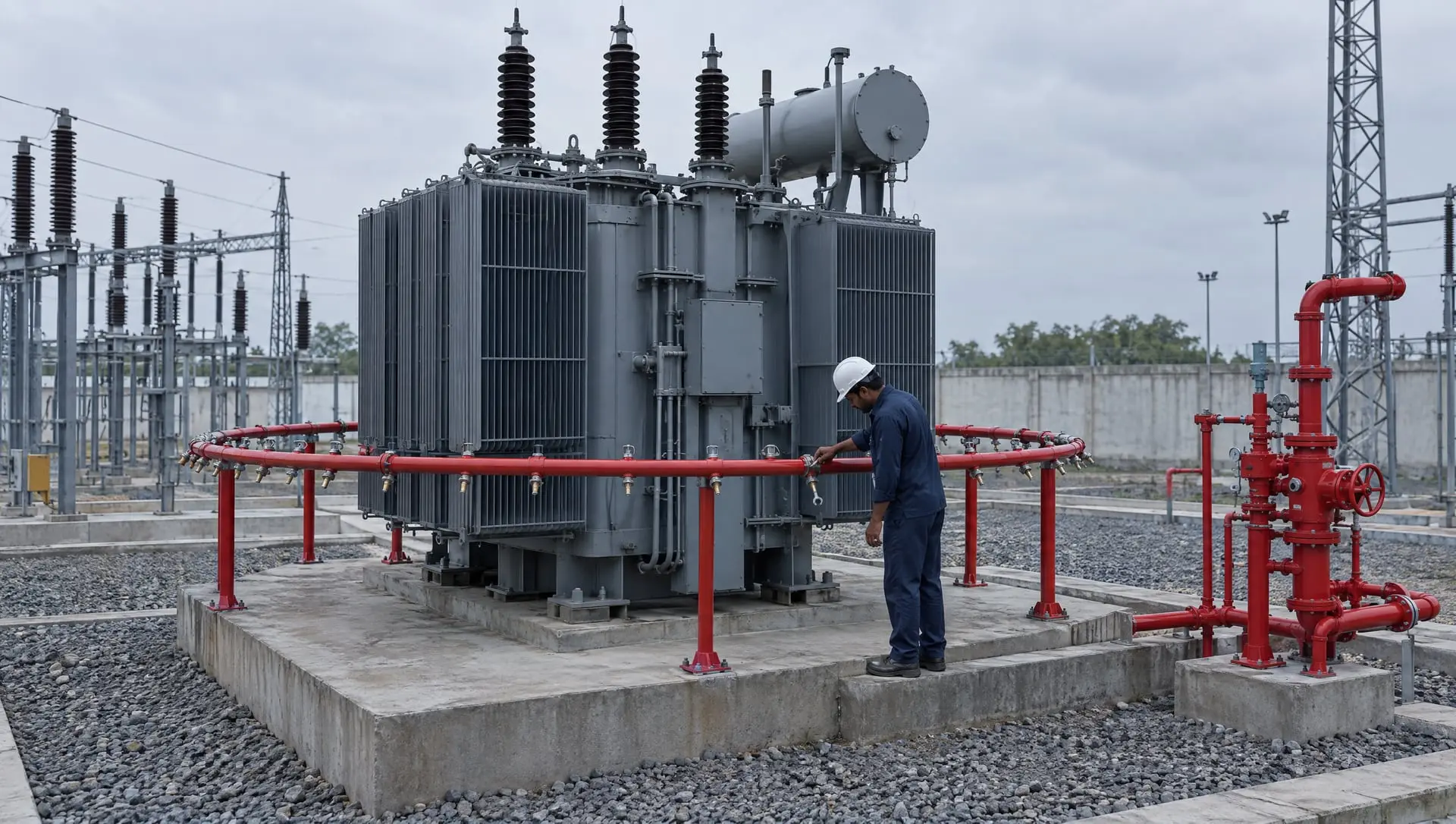
MVWS and HVWS System Installation in Mumbai
Cease Fire & Electrical Services LLP designs and installs MVWS and HVWS systems in Mumbai and across Maharashtra: medium and high velocity water spray systems for transformers, oil-filled equipment, storage tanks, cable galleries and other industrial hazards. Each system uses open spray nozzles fed through a deluge valve, which a detection system opens automatically in a fire. As a Maharashtra Fire Services Licensed Agency since 1992, we test, commission and maintain the systems we install.
What is a water spray system?
A water spray system is a network of fixed pipes with open spray nozzles aimed at a specific piece of equipment or area. A deluge valve holds the water back until the detection system senses a fire and opens it. Water then discharges from every nozzle at once, covering the whole surface of the protected equipment. It is used where a fire can spread fast across a large surface, such as an oil-filled transformer or a storage tank.
MVWS and HVWS compared
Main purpose
HVWS (high velocity)Controls the fire and cools nearby tanks, vessels and structures so the fire does not spread
Puts out fires in oils with a high flash point
How the water is delivered
HVWS (high velocity)Fine spray at medium velocity that forms a cooling film
Coarse, fast-moving droplets that strike the burning oil and cool it
Typical use
HVWS (high velocity)Fuel and LPG storage tanks and vessels, cable galleries, conveyors and exposure protection
Transformers, DG sets, oil-filled equipment and lube oil systems
Many plants use both: HVWS on the transformer or oil equipment itself, and MVWS to cool the equipment and structures around it.
Where water spray systems are needed
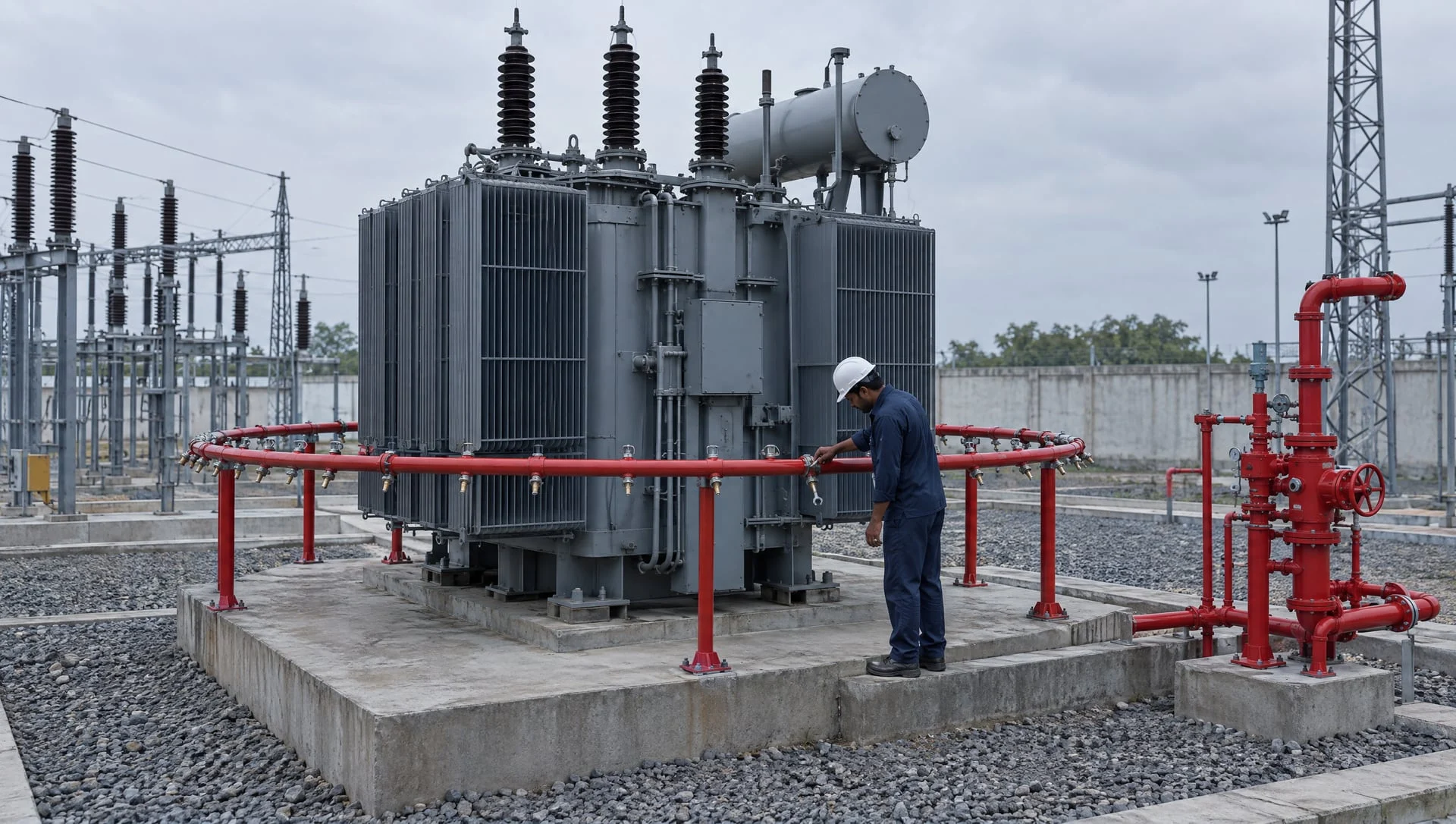
Power substations and transformer yards
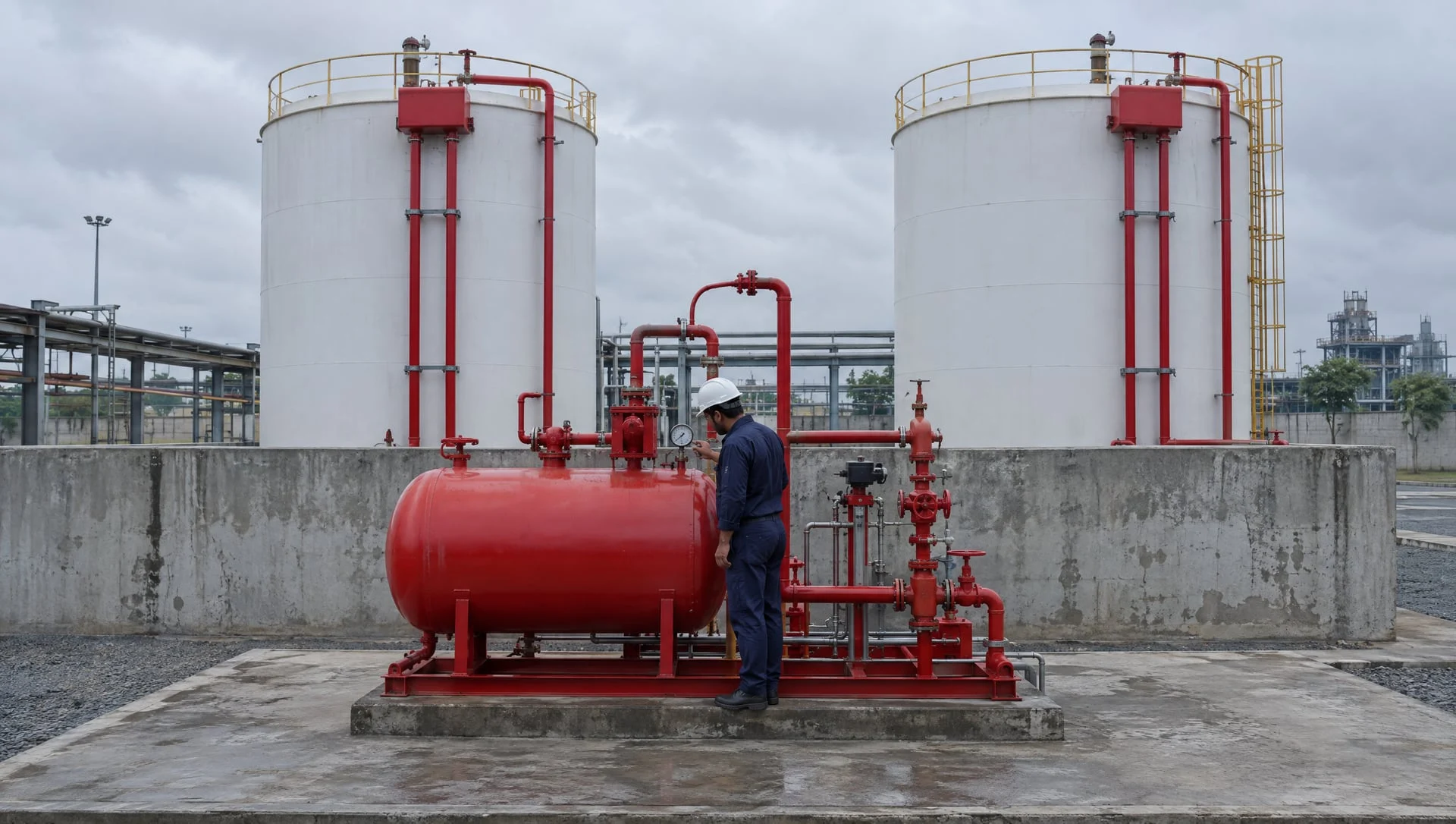
Refineries, fuel depots and tank farms
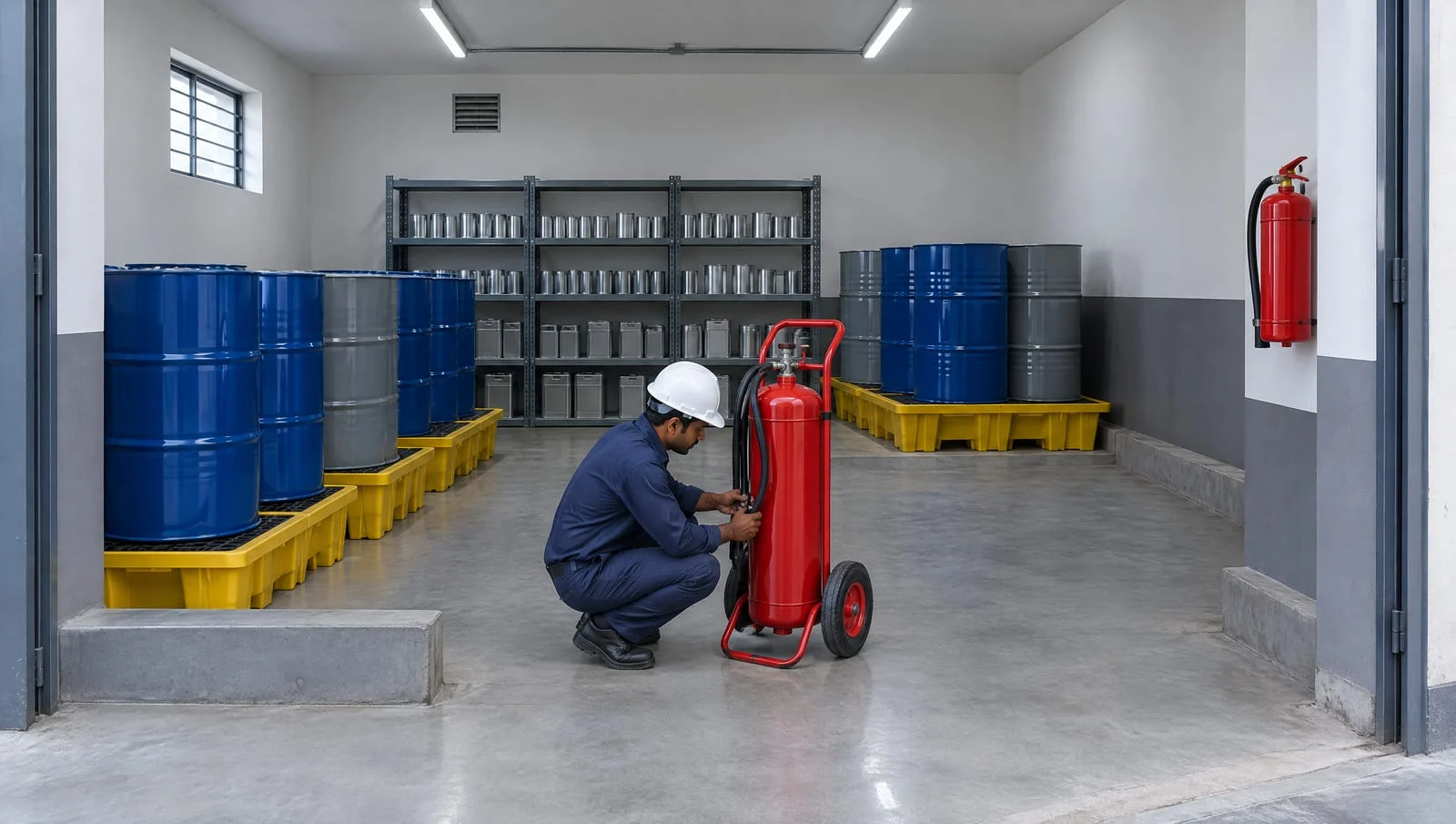
Chemical and process plants
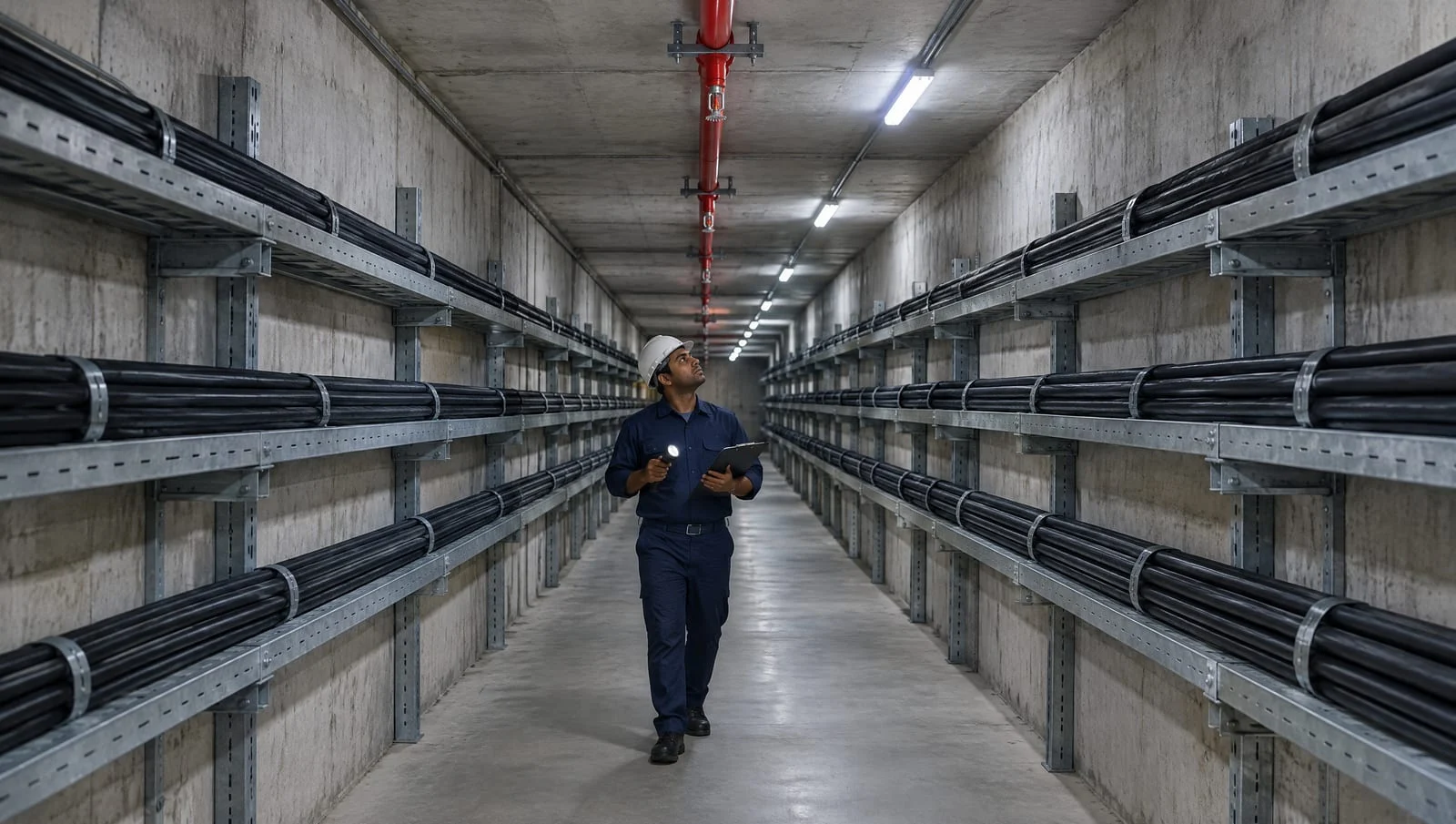
Cable galleries, cable tunnels and conveyor belts
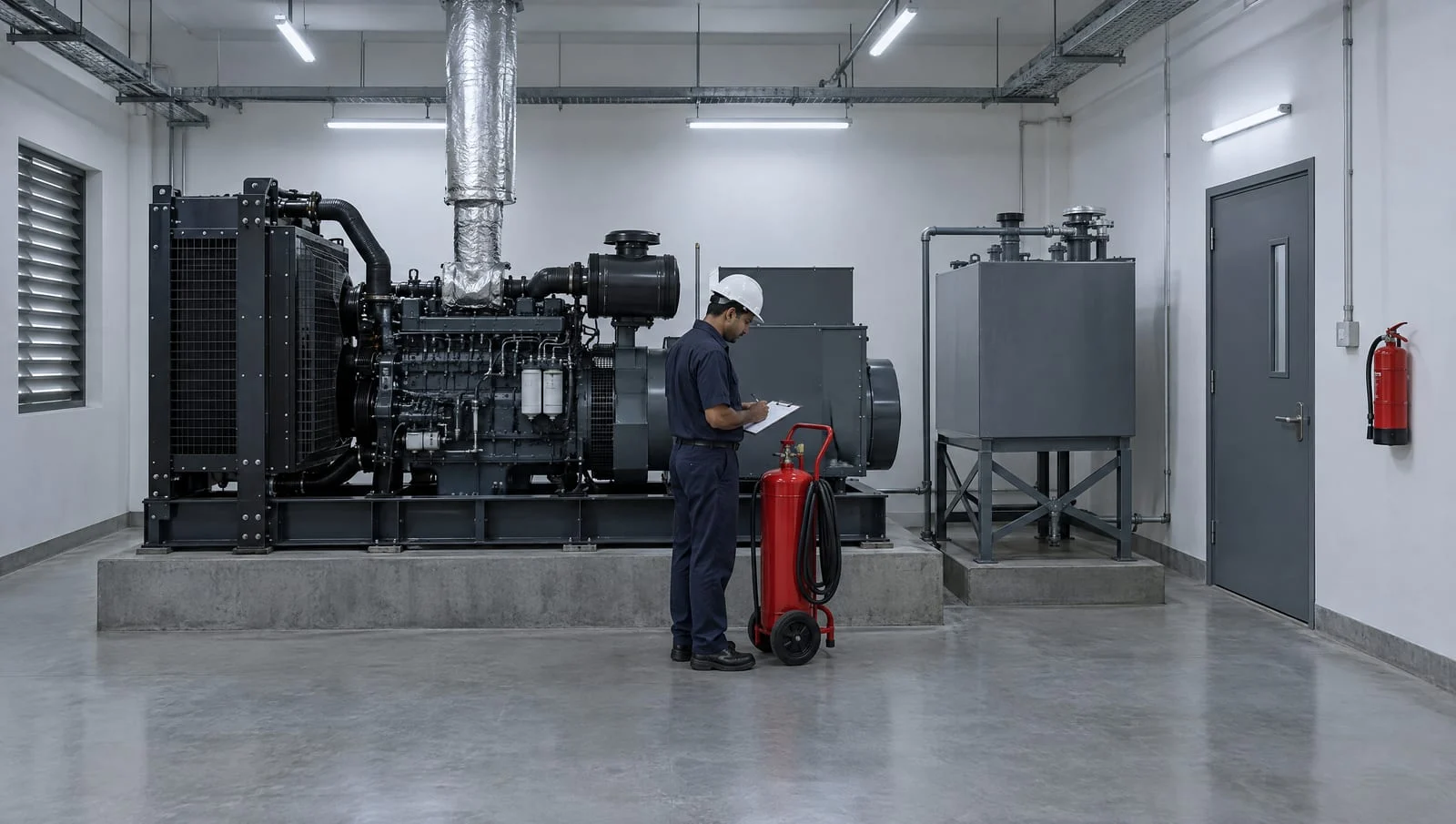
DG rooms and oil-filled equipment in factories and utility sites
Components of a water spray system
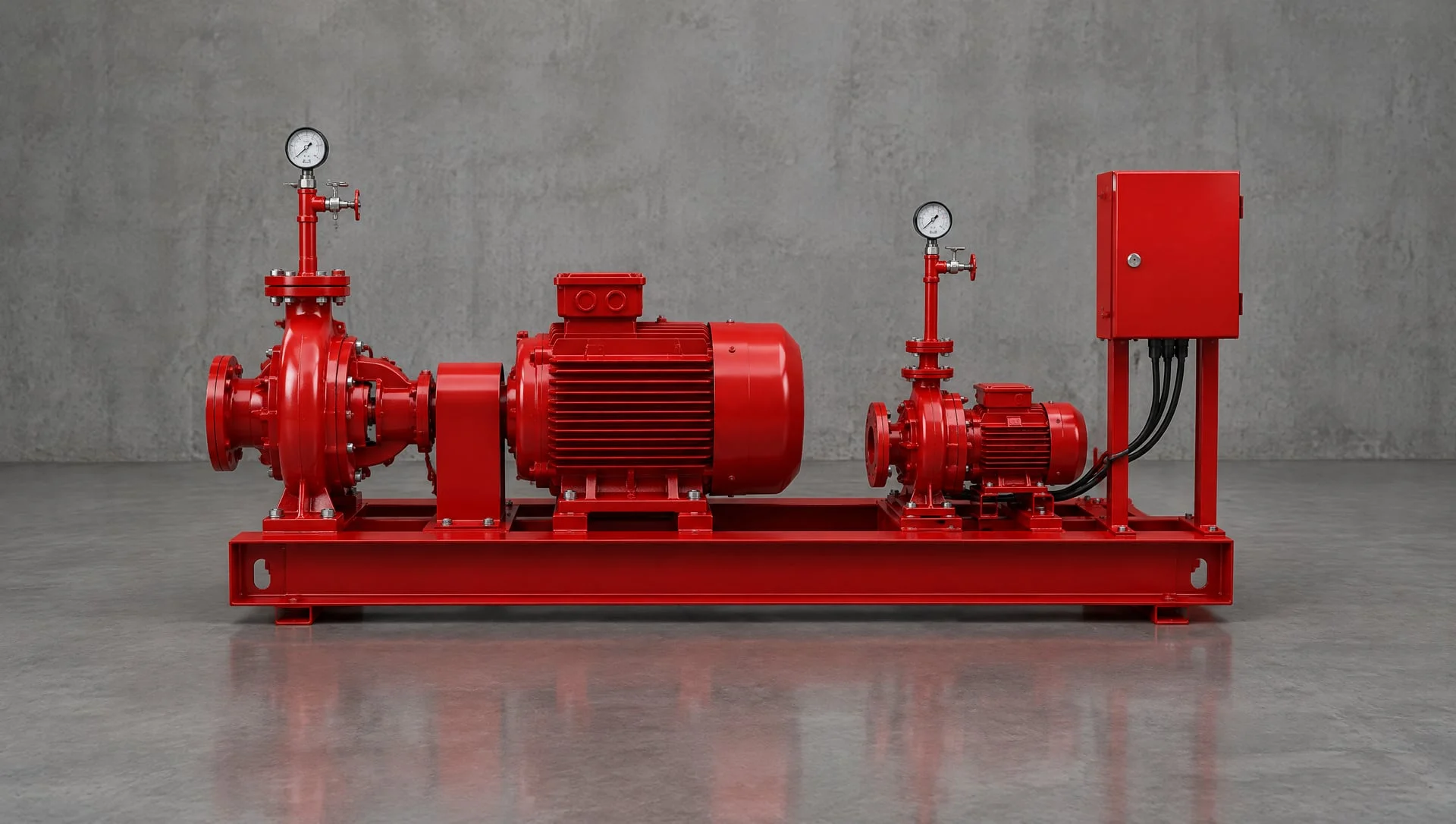
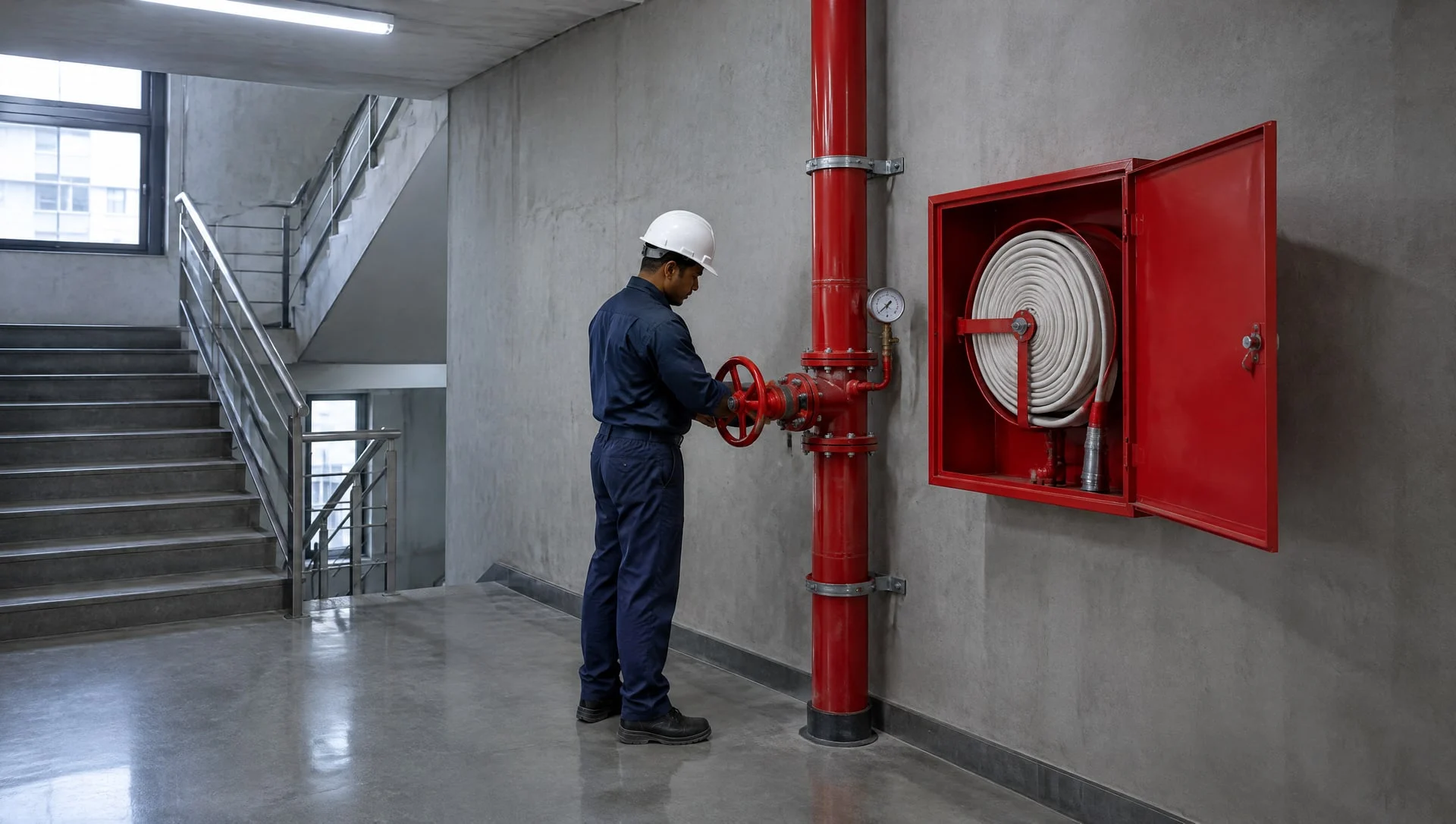
Water supply and fire pumps
Store water and deliver the flow and pressure the nozzles need
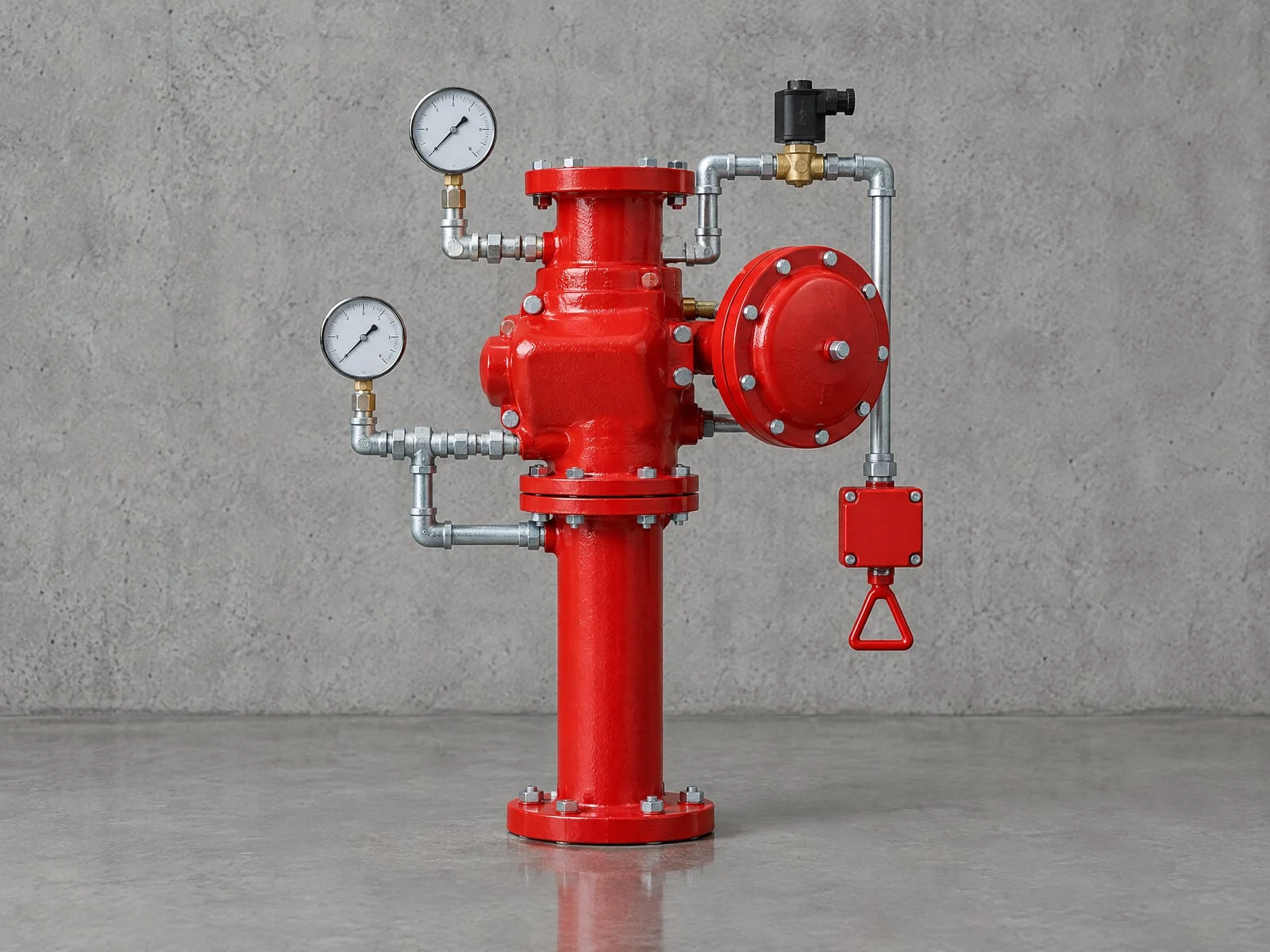
Deluge valve
Holds water back and opens fully when the detection system operates
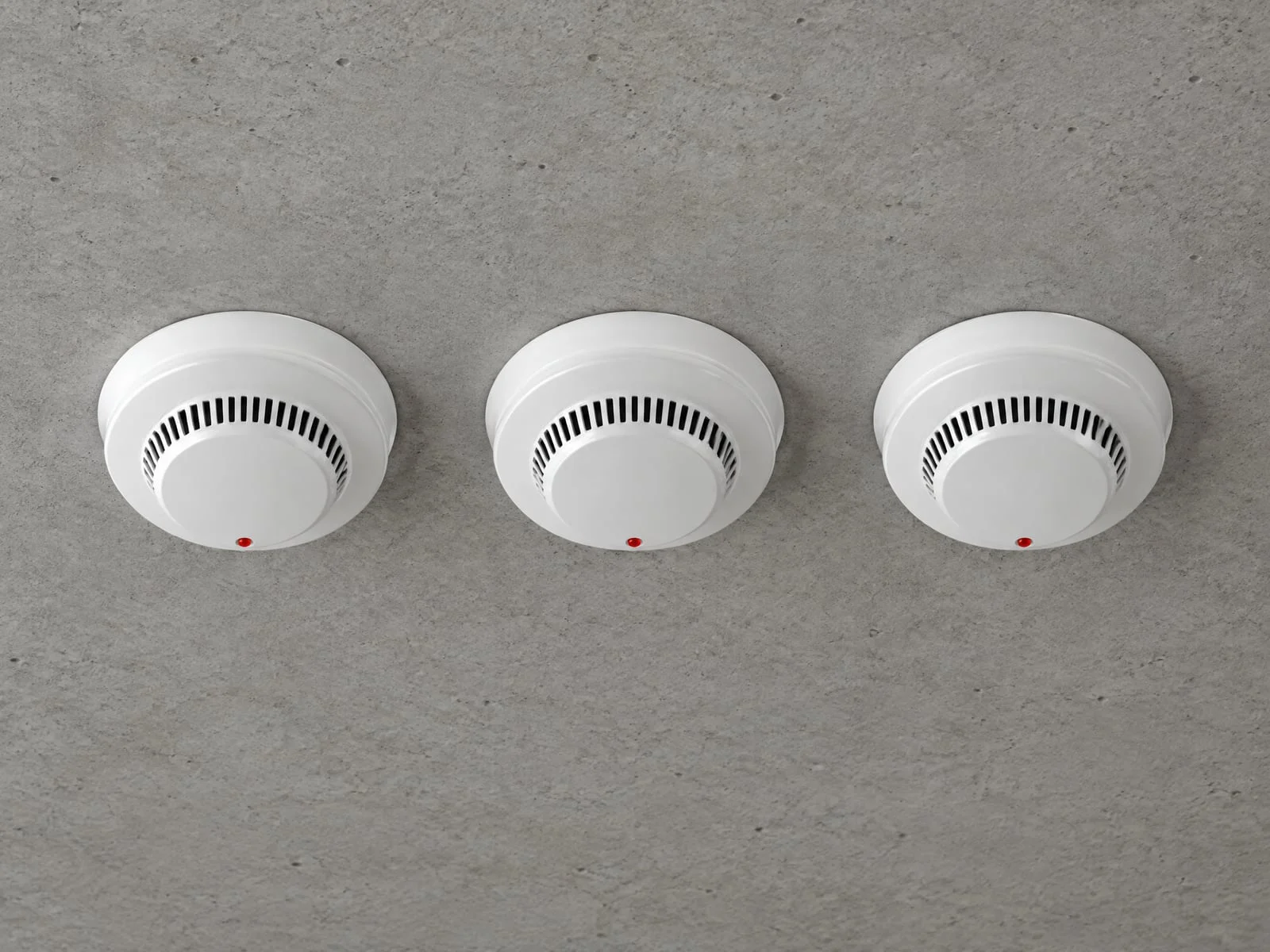
Detection system
Heat detectors or a pressurised pilot line with detector bulbs that sense the fire and trip the deluge valve
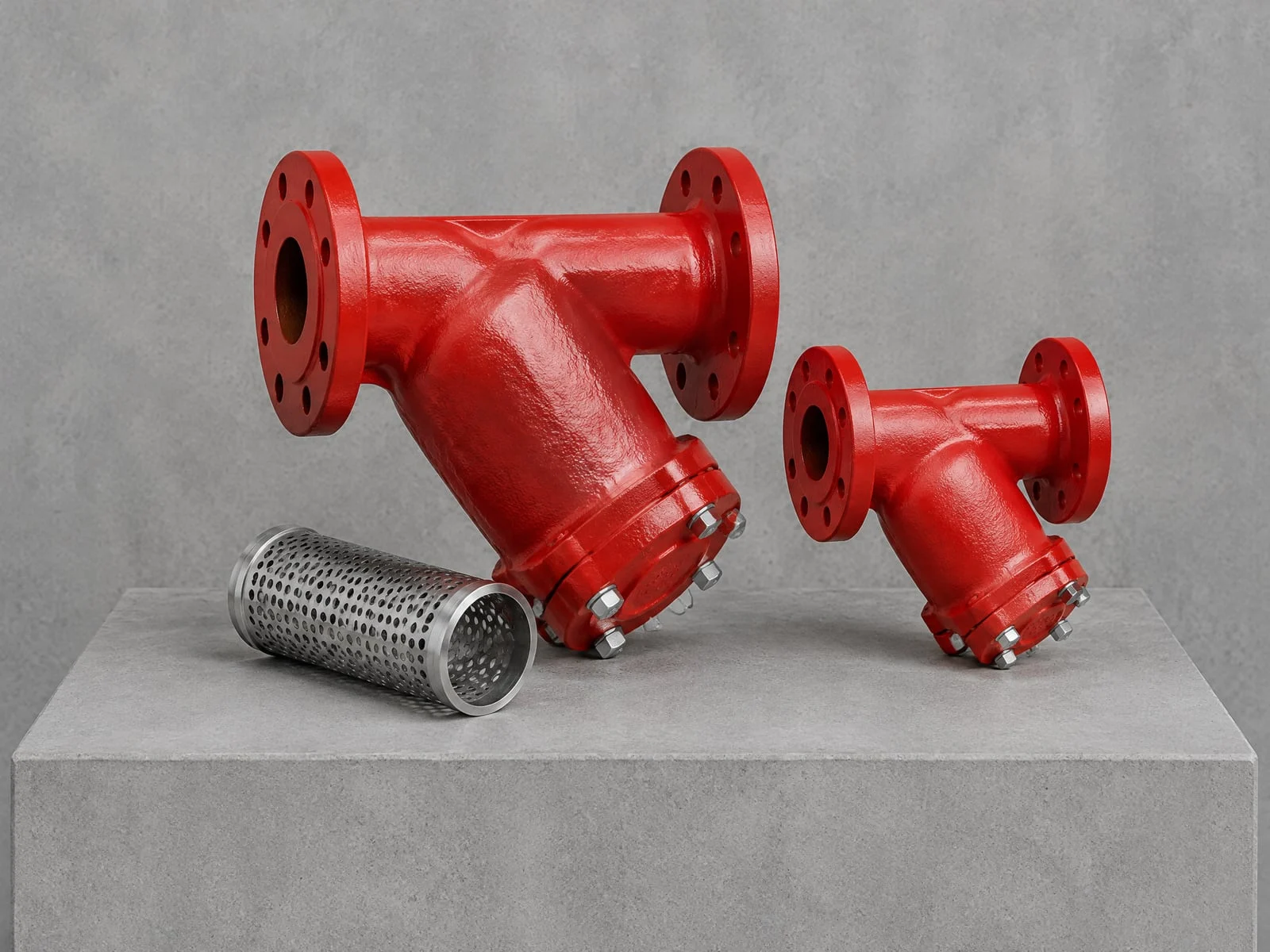
Y strainers
Stop debris from blocking the nozzles
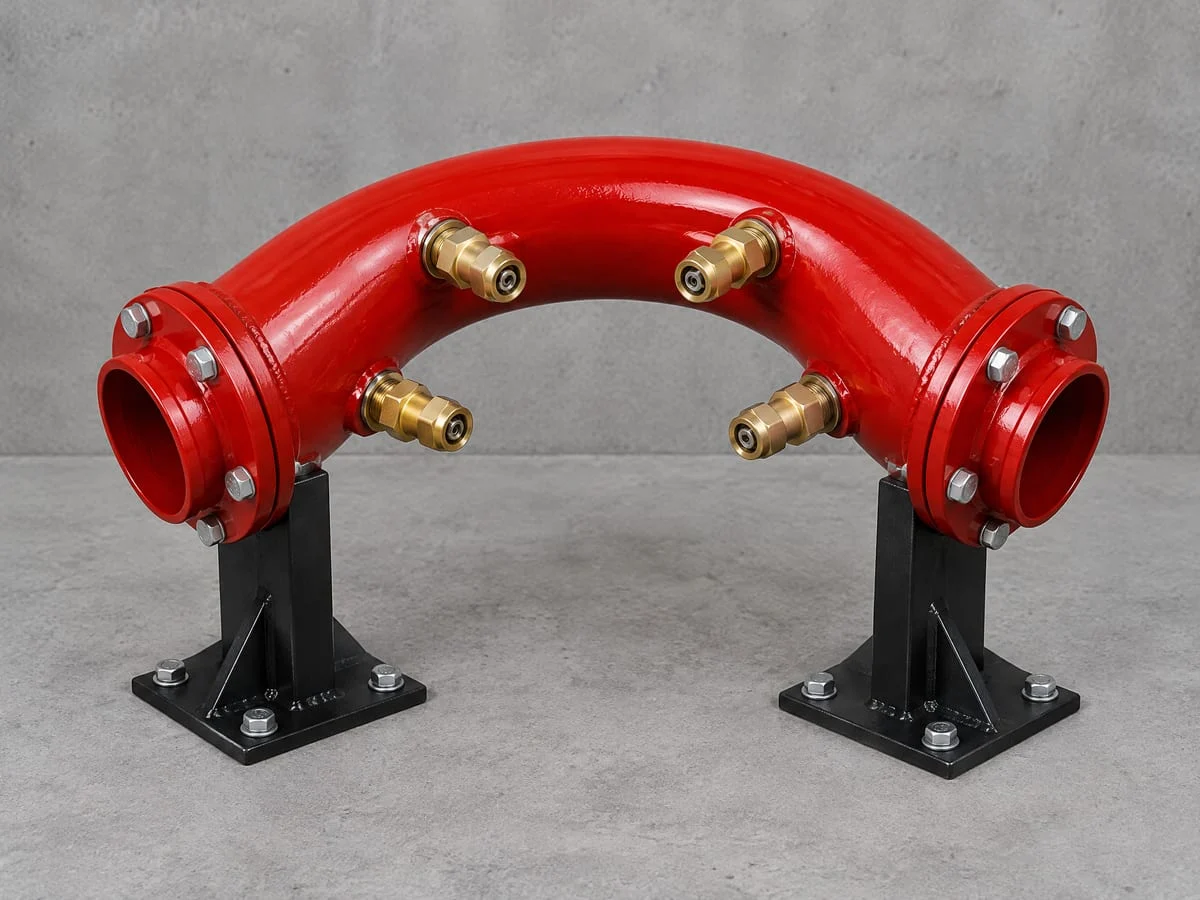
MVWS or HVWS spray nozzles
Discharge water in the pattern and droplet size the hazard needs
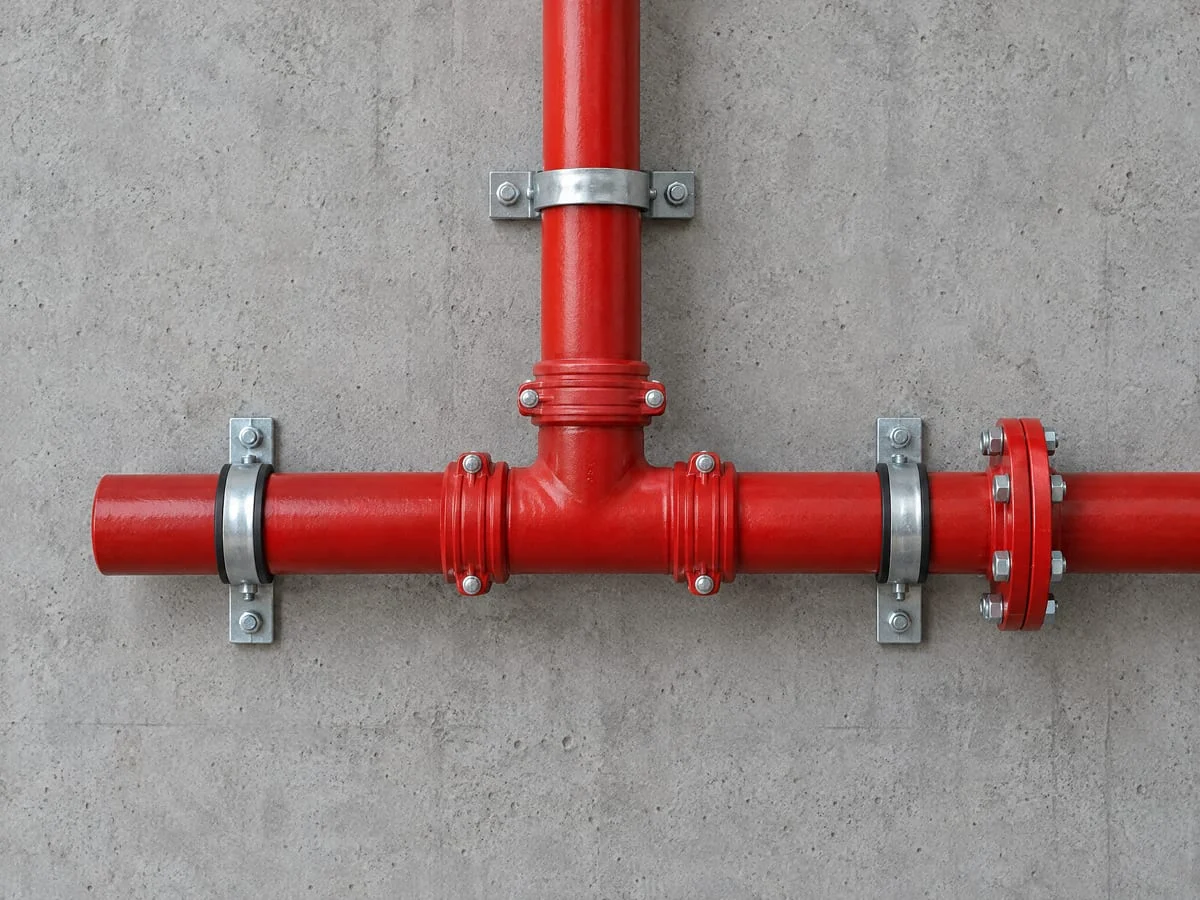
Pipework and ring headers
Carry water around each transformer, tank or conveyor
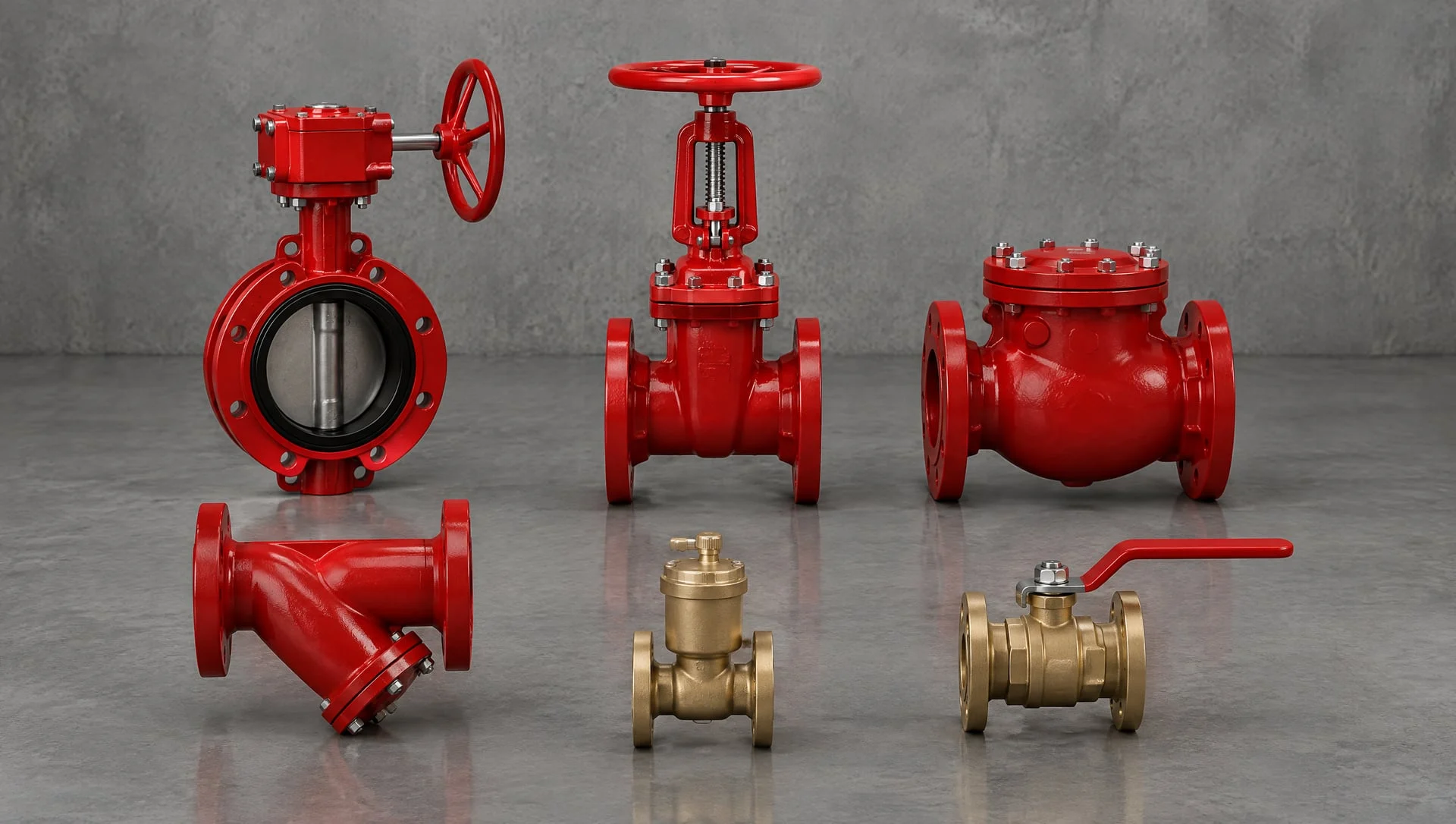
Isolation valves and alarm
Isolate the system for maintenance and signal the fire alarm panel when it operates
We supply the deluge valves, strainers, valves and fire pumps. UL listed and FM approved pumps, valves and sprinklers are available.
Design standards and calculations
We design water spray systems to the NFPA and NBC requirements that apply, and to UL/FM requirements where the insurer or consultant specifies them. Our engineers lay out the nozzles around each hazard and check pipe sizes, nozzle pressures and pump duty with PIPENET flow calculations.
Our process
Free site survey
We study the plant layout, the equipment to be protected and the available water supply.
Design
Nozzle layout, detection, deluge valve sizing, hydraulic calculations and drawings.
Supply and installation
Pumps, deluge valves, pipework, nozzles and detection, installed by our own team.
Testing and commissioning
Flushing, pressure testing, a full-flow discharge test where the site allows, and training for your staff.
Form A
As a licensed agency, we issue Form A for the work, which you submit to the fire brigade.
AMC and Form B
Usually quarterly checks with an annual service, and Form B every January and July.
Industrial experience
We have delivered fire protection for industrial and public-sector clients, including Bharat Petroleum, Hindustan Petroleum, Rashtriya Chemicals & Fertilizers and JSW Steel. Our fire alarm work at 65 Adani Electricity receiving substations and our roof sprinkler project for Roquette India to FM guidelines show the same design and site discipline that water spray systems need.
See all projects and case studies.
Maintenance and Form B
Spray nozzles can clog, pilot lines can lose pressure and deluge valves can stick if they are not exercised. Under AMC we check the deluge valve, detection, strainers, nozzles and pumps, and carry out flow tests where the site allows. A licensed agency must inspect the system and issue Form B every January and July, and we can include this in your AMC.
Pump status, tank levels and line pressure feeding the system can be watched continuously with FireSense IoT, which also supports the ACMS now required for covered buildings in Maharashtra.
Why choose Cease Fire
Since 1992
1,500+ projects and the Rashtriya Nirman Ratna Award for Best Government Contractor (2002).
Licensed
Maharashtra Fire Services Licensed Agency (MFS/
LA/ ), issuing Form A and Form B.RF-93/ RD-95 Calculated designs
Nozzle layouts checked with PIPENET flow calculations.
Fire and electrical together
Maharashtra Electrical Contractor Licence No. 17545, useful on transformer and substation sites.
One team
Design, pumps, valves, installation, testing and AMC from one company.

Book a free site survey
Share your plant layout and the transformers, tanks or conveyors you need to protect. We will survey the site and send a clear proposal.
Frequently asked questions
What is the difference between MVWS and HVWS?
MVWS uses a finer, medium velocity spray to control a fire and cool equipment and structures nearby. HVWS uses fast, coarse droplets to put out fires in high flash point oils, such as transformer oil.
Why do transformers need an HVWS system?
Transformers hold large volumes of oil that can burn fiercely if the tank fails. An HVWS system sprays the whole transformer at once to put out an oil fire and limit damage to nearby equipment.
What is a deluge valve in a water spray system?
It is the valve that holds water back from the open nozzles. When the detection system senses a fire, the deluge valve opens and water flows to every nozzle at the same time.
Where is an MVWS system used?
MVWS is used on fuel and LPG storage tanks and vessels, cable galleries, conveyors and other areas where cooling stops a fire from spreading.
Is a water spray system the same as a sprinkler system?
No. Sprinkler heads are closed and open one by one in the heat of a fire. A water spray system uses open nozzles that all discharge together once the deluge valve opens.
How often should a water spray system be tested?
Most sites have quarterly checks and an annual service under AMC, with flow tests where the site allows, plus the Form B inspection every January and July.
How do I get a quote for an MVWS or HVWS system?
Send your plant layout and a list of the equipment to be protected to sales@ceasefireservices.com, call +91 9920676281, or book a free site survey.
Question not answered here? Call our team, Monday to Saturday, 9 am to 7 pm.
Call +91 9920676281